
Resources


2025 Backstage Pass Website

Webinars

Like our conference, these digital marketing webinars and case studies were created to educate leaders in the healthcare industry on emerging Internet technologies and to provide an environment in which healthcare marketers, Web leaders, IT professionals and strategists can learn from the other attendees and presenters.


 

webinars-hero


Stay connected by tuning into the latest broadcasts, where strategic leaders share their perspectives on emerging trends and pressing challenges in the healthcare industry. Together, we’ll delve into groundbreaking innovations and pivotal policy updates shaping the future of healthcare.

Catch the audio-only episodes on Touch Point Media, available on your favorite podcast streaming platforms.


promo-greymatters

The Latest Hospital Digital Marketing Articles

 GreyMatters is your hospital digital marketing guide, with articles on hospital digital marketing best practices, trends, updates and more.

Americans Are Embracing Digital Health Tools for Health and Wellness

New data from Reach3 Insights shows that Americans are increasingly interested in digital apps and devices to help manage their health and wellness. And they intend to continue using these digital tools into the next decade. 

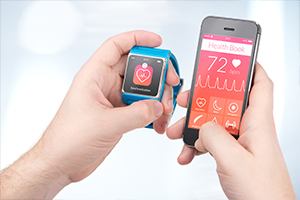
photo of a smart watch and a tracking app on a smartphone

The survey from December 2025 found that:

  • 70% of respondents use health-related apps
  • 64% of respondents use health-related devices
  • Digital health tools are being used to track biometrics (51%), physical activity (50%), and sleep (49%).
  • Health tool use by type varies by age group, with Gen Z using health tools for sleep tracking, millennials using them for physical activity tracking, and Boomers and Gen X using them to track biometrics.
  • Gen Z also uses fertility and women’s health apps as a group.
  • More respondents use holistic wearables for comprehensive health metric tracking than fitness-oriented wearables.

Survey respondents also expressed preferences for future use of digital health tools:

  • There is interest in smart rings from 39% of respondents, which is up from 34% in the past year.
  • Interest in other digital health devices includes fitness-oriented wearables (36%), holistic wearables (36%), smart home devices (35%), and smart glasses (21%).
  • The ability to track progress over time, get accurate and measurable data, and easy use and convenience are desired.
While Americans are showing a preference and desire for digital health apps and devices, the survey also found decreasing interest in digital healthcare services like telehealth visits and online direct-to-consumer pharmacies.