HCIC Interview
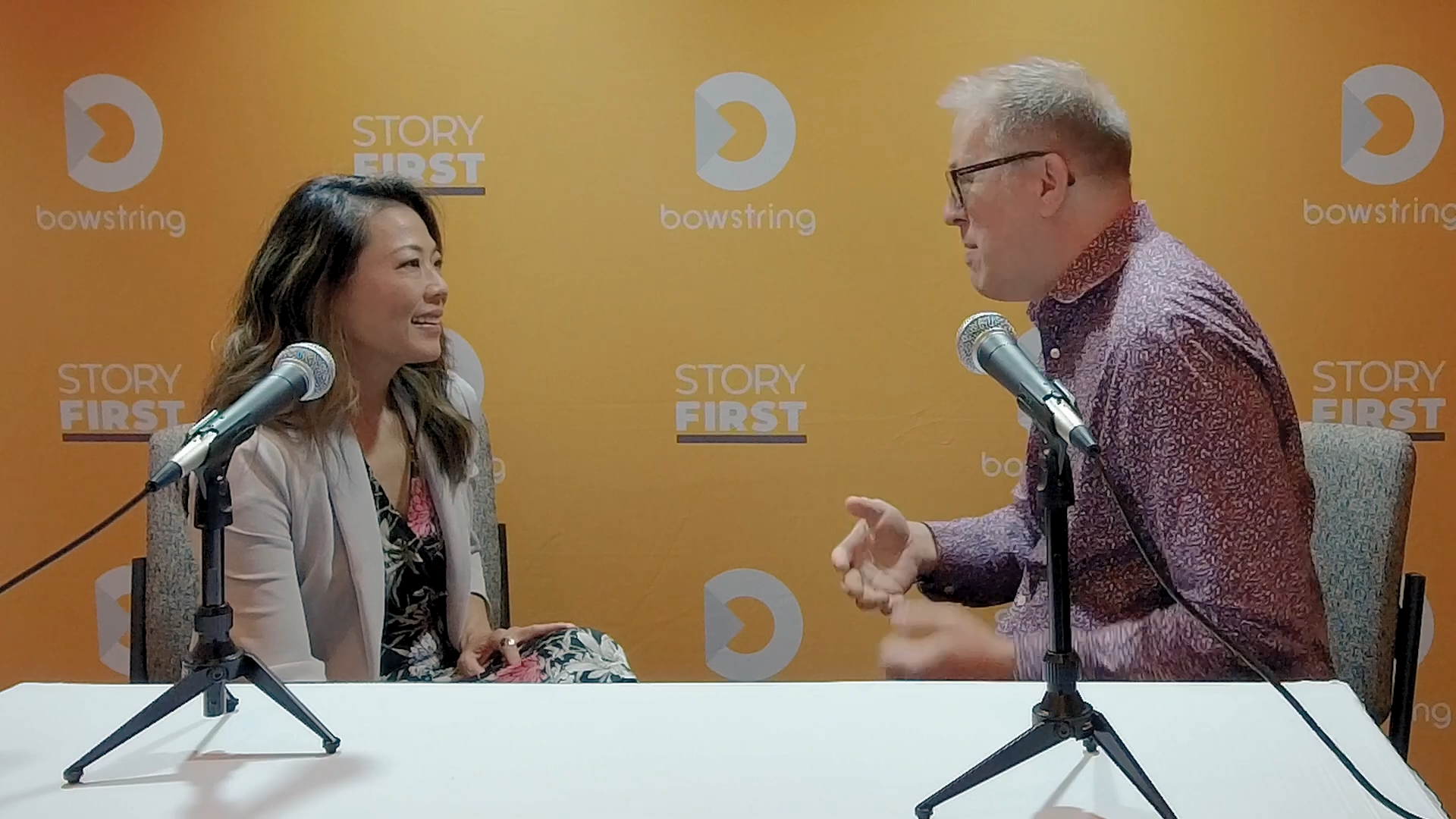
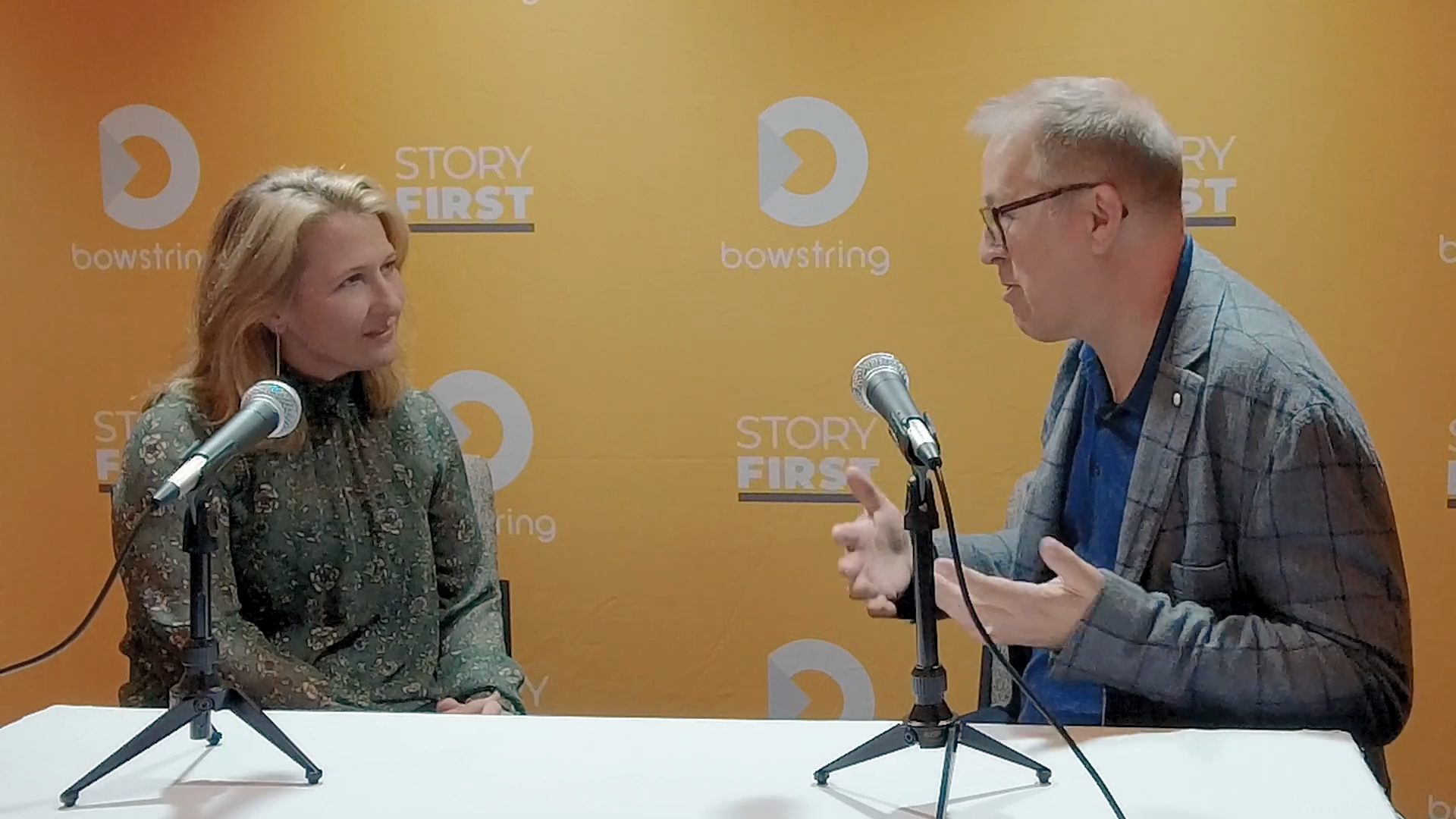
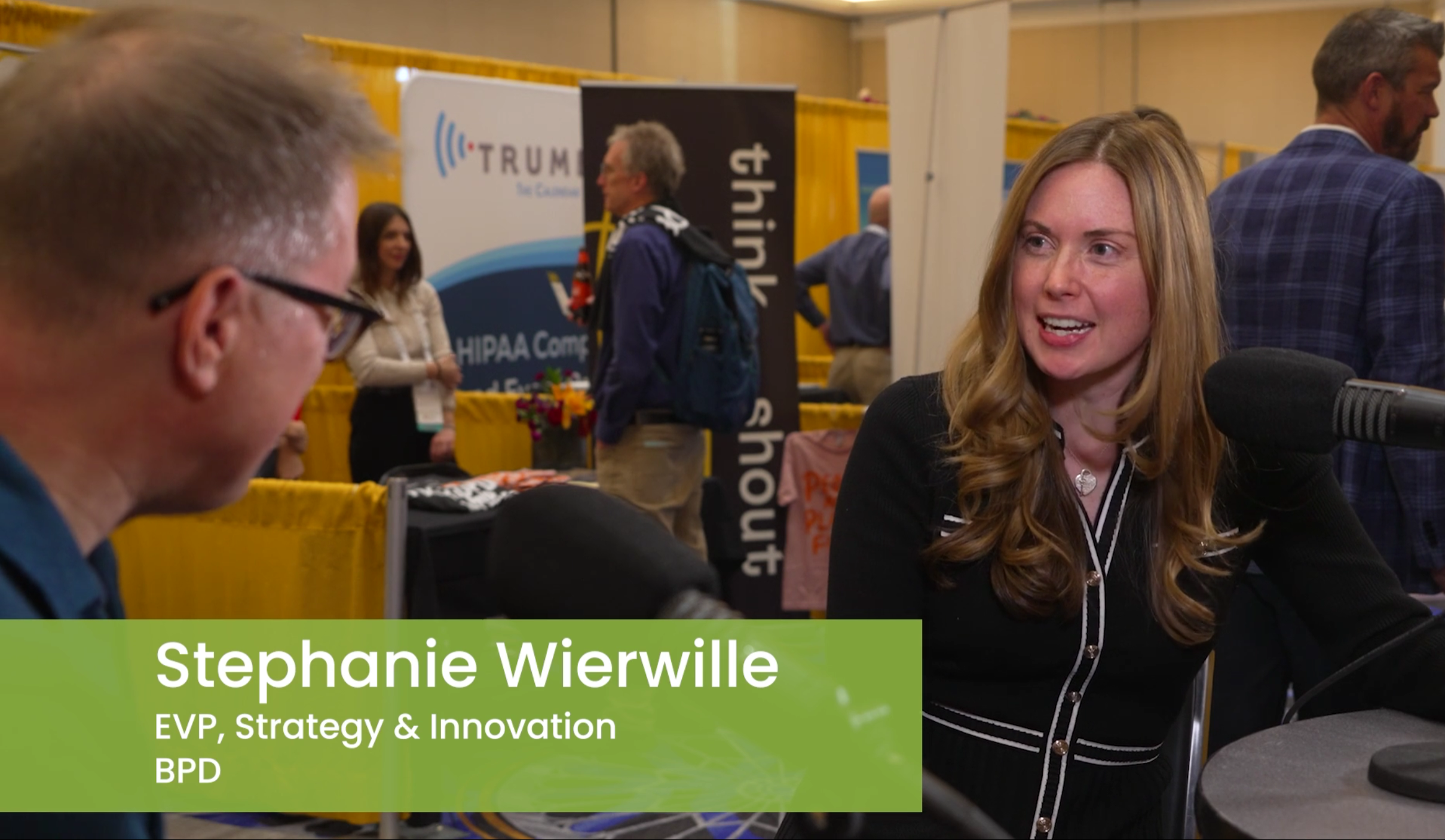
Stephanie
Wierwille is EVP of Strategy and Innovation at BPD, a healthcare
marketing and communications firm. She came to healthcare eight years ago after
building her career in retail, travel and technology. In this conversation from
HCIC 2025, she introduces a framework her team has developed working with
hospitals and health systems on AI literacy: the Edison-Einstein divide.
The
Edison approach is incremental. Take something that exists, make it faster,
cheaper, more scalable. That's where most healthcare marketing teams are right
now, using AI to write emails, produce content, and clean up data. Wierwille
isn't dismissing that. She's arguing it's not enough.
The
Einstein approach starts with a different question. Instead of how do we do
this better, it asks what could we do that has never been done before. Her
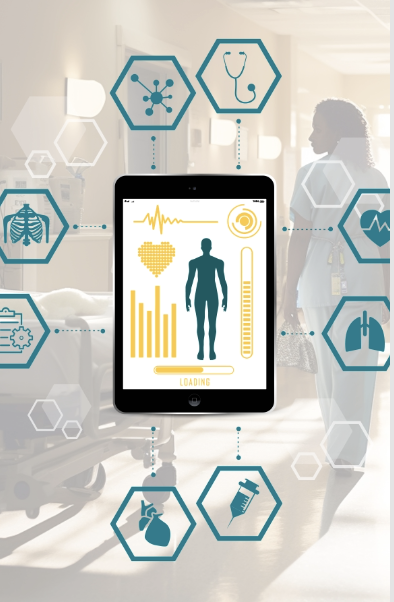
example: after a diagnosis, a patient walks out of a short appointment with
their mind racing, then spends hours searching for answers online. What if,
instead, AI delivered a fully personalized experience, trained on health
education data, calibrated to that patient's language, frame of mind and social
determinants of health? Not a better FAQ page. Something that didn't exist
before.
She's
practical about the gap between the vision and what's buildable today. Her team
runs sessions that bring operations, strategy and physician liaisons into the
same room, map the boldest version of the idea, then work backwards to what's
actually doable in 90 days. The dream comes first. The constraints come second.
The 90-day step is what moves it forward.
Her
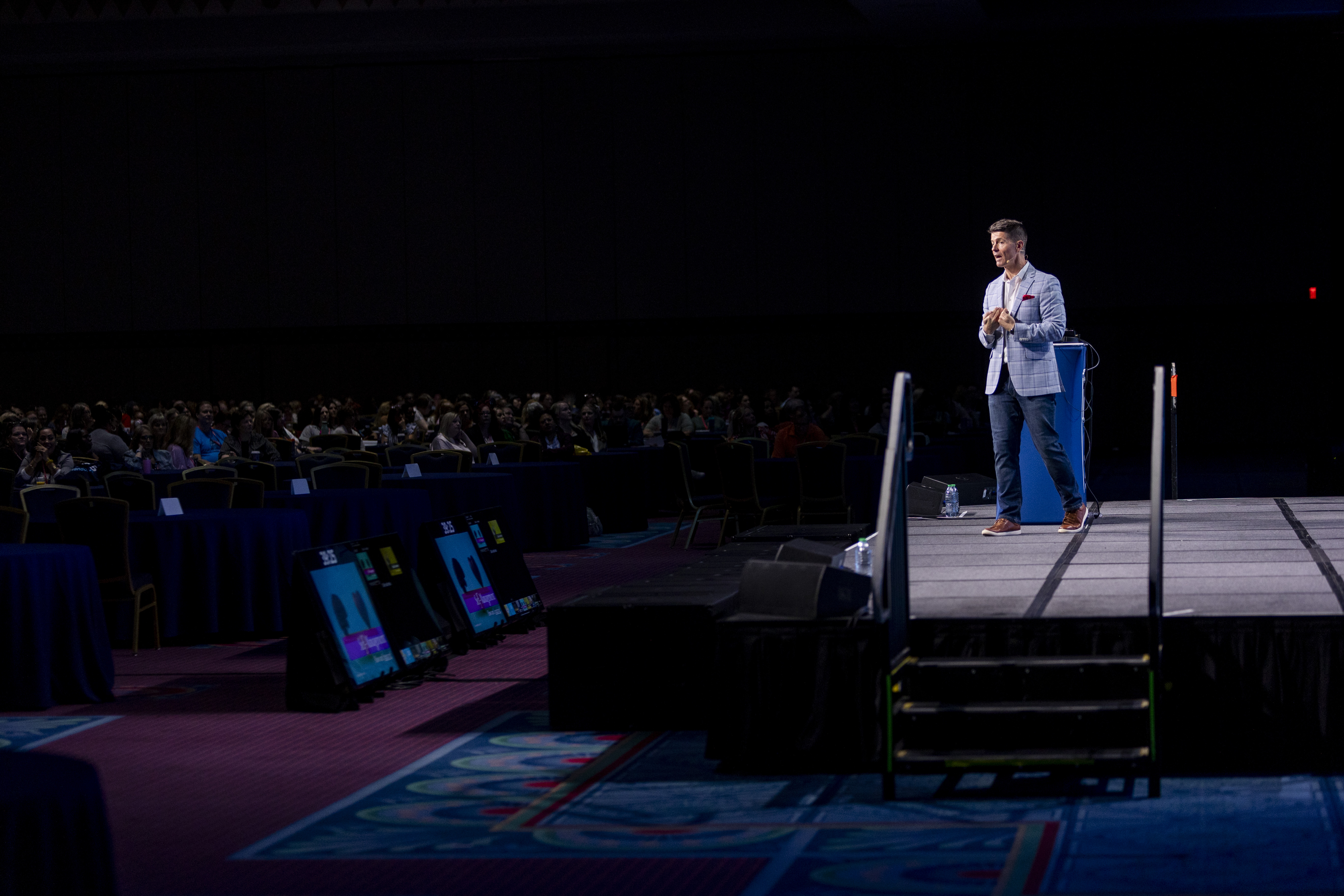
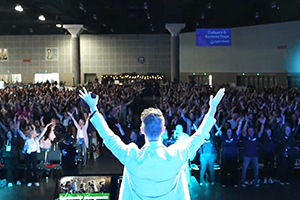
session at HCIC 2025, Rethink, Rebuild, Reinvent, ran that exercise live, with
a custom GPT trained to help teams dream big and then scope down. The point,
she says, is that dreaming is 80% of the work. Silicon Valley does it every
day. Healthcare needs to start.