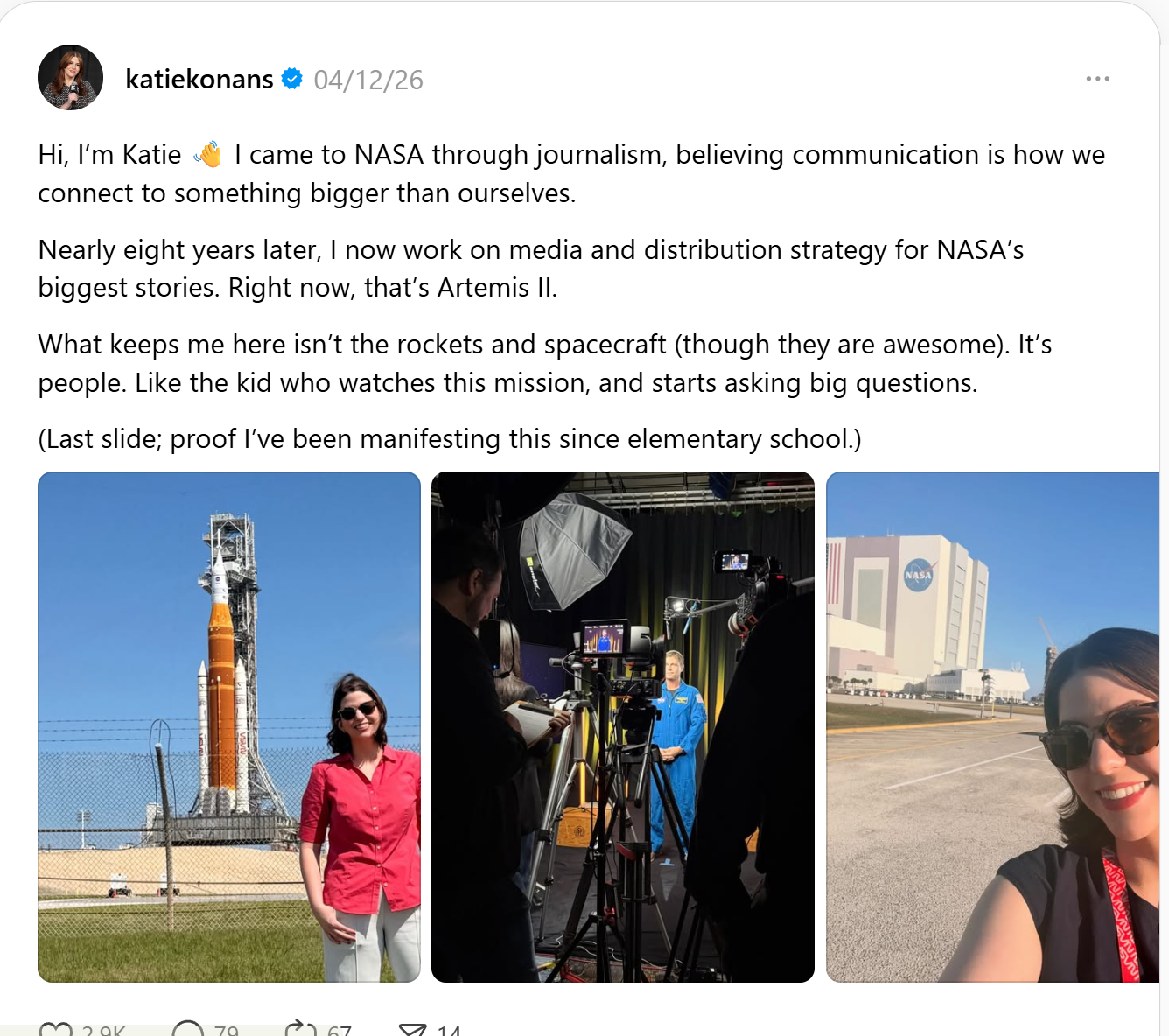
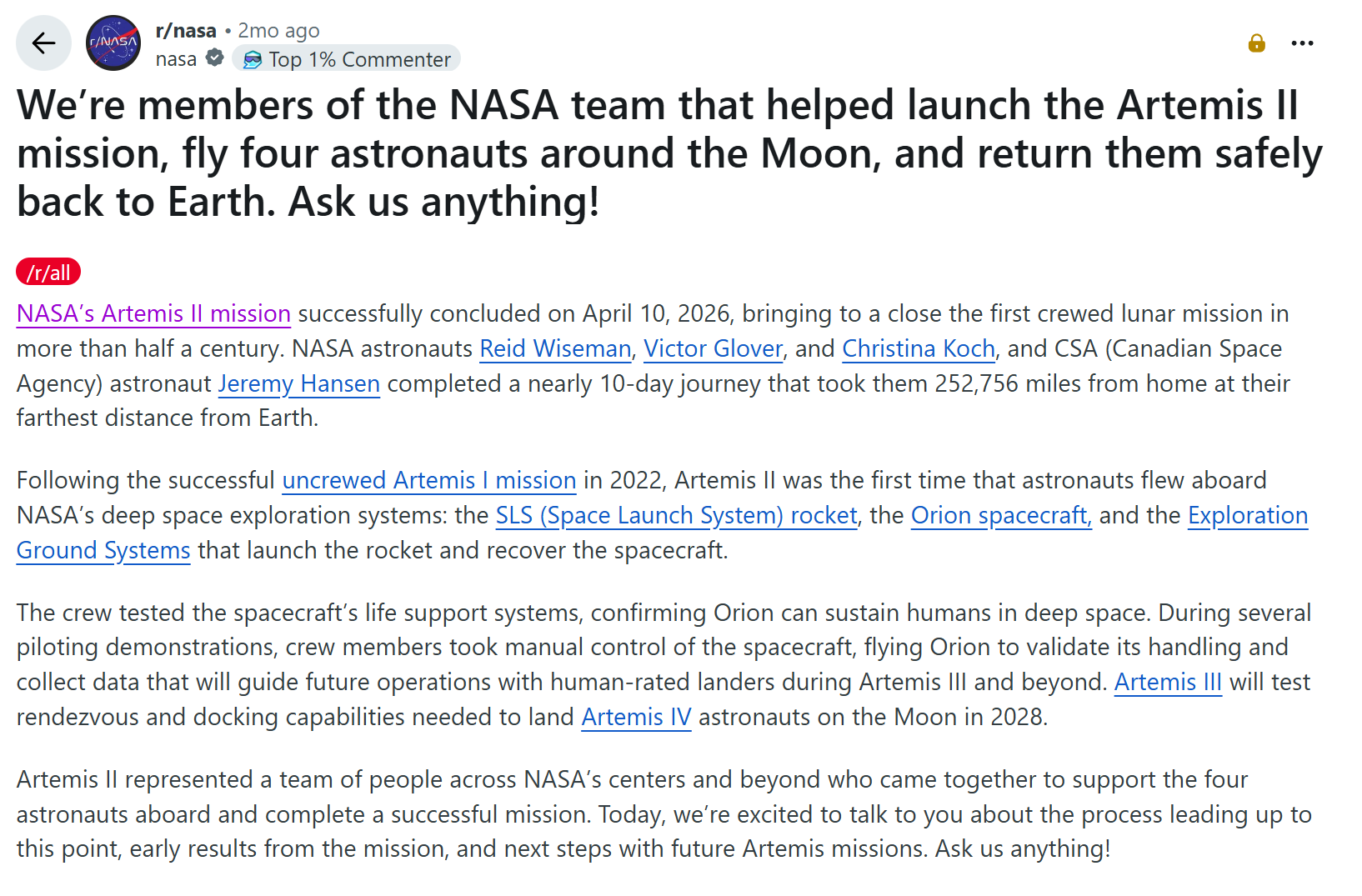
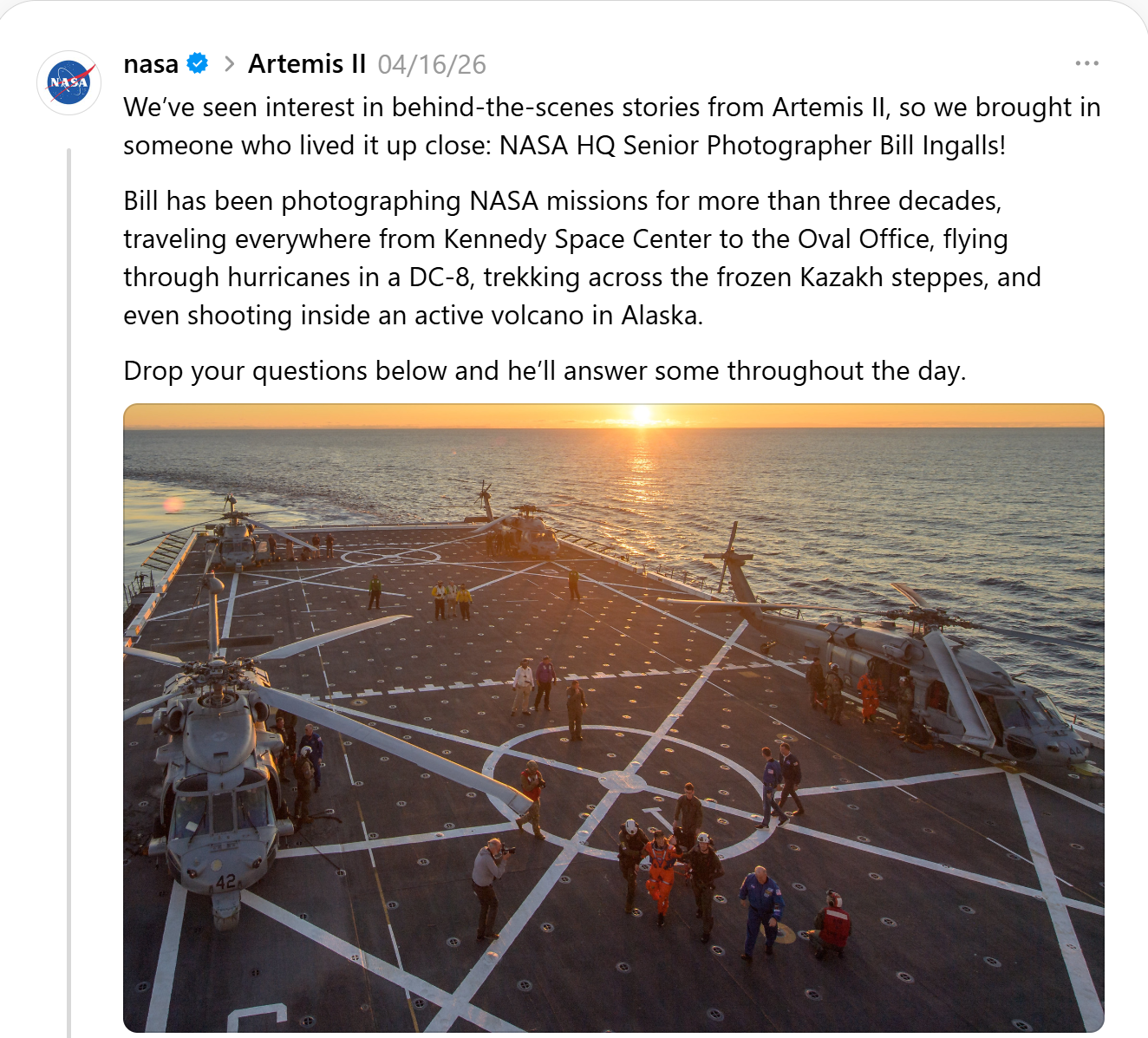
Need a little NASA inspiration on how to explain complicated topics? Here are a few communication pieces that stood out to Landis during the launch:
Landis told a story where a woman called into Hackensack’s access center this May because her child needed to see a pediatric gastroenterologist. The first available appointment wasn’t until August, which was too far out. The scheduler transferred to an office where nobody picked up. She called a different number and was transferred to the adjacent surgical office. Someone from that office walked over to the first office to make the appointment, and eventually, the child was put on the waitlist to get an early appointment.
When Landis found out about this, she came up with a list of questions to make sure this doesn’t happen again:
- Why doesn’t this doctor have new patient slots?
- Why wasn’t anyone in the practice answering the phone?
- What technology or processes can be put in place to improve access?
- Who do we partner with to improve the access?
“Even if you have a process in place, you always have to check to see what’s working,” Landis says. “You aren’t one and done. You don’t create a process to improve the product and then hope it all works. You need to check it again and again.”
One way to improve the digital experience is to partner with your clinical and operations teams to improve the product. At NASA, you see the mindset of it being one team focused on one goal. Throughout the Artemis 11 mission, the NASA staff was testing and retesting and coordinating with all the various departments.
“In healthcare, you’ve got to partner with operations and say, ‘I know you guys have a lot going on, but this is what our patients are saying about how hard it is to make an appointment. We want to partner with you to make it easier.'”
Come join us in Orlando, October 25-28. Sign up today!